
This week I attended a learning day exploring Theatre of the Oppressed — a participatory theatre approach developed by Augusto Boal to help people explore power, conflict and social change.
I expected to learn some new facilitation techniques. What I didn’t expect was that one of the most powerful insights of the day would come from acting out something deeply personal: the experience of sometimes being invited into work partly to demonstrate diversity.
As facilitators we often help others explore complex systems. But occasionally we also find ourselves inside those systems in ways that are uncomfortable to name.
Theatre as a rehearsal space
Theatre of the Oppressed was originally developed as a way for ordinary people — not professional actors — to explore issues affecting their lives. Through theatre, participants can raise awareness, debate ideas and practise taking action.
The core idea is simple but powerful: theatre can become a rehearsal space for real life.
For those of us working in facilitation, leadership and systems change, this feels particularly relevant. The people we work with are constantly navigating power, roles and expectations within complex systems.
Techniques from Theatre of the Oppressed can help participants:
navigate power and complexity
see challenges from new perspectives
rehearse meaningful change
The learning day was facilitated by Nick Mabey and hosted by Bella Mehta, co-founder of the Association of Facilitators.
The rhythm of the day was simple: play, observe and reflect.
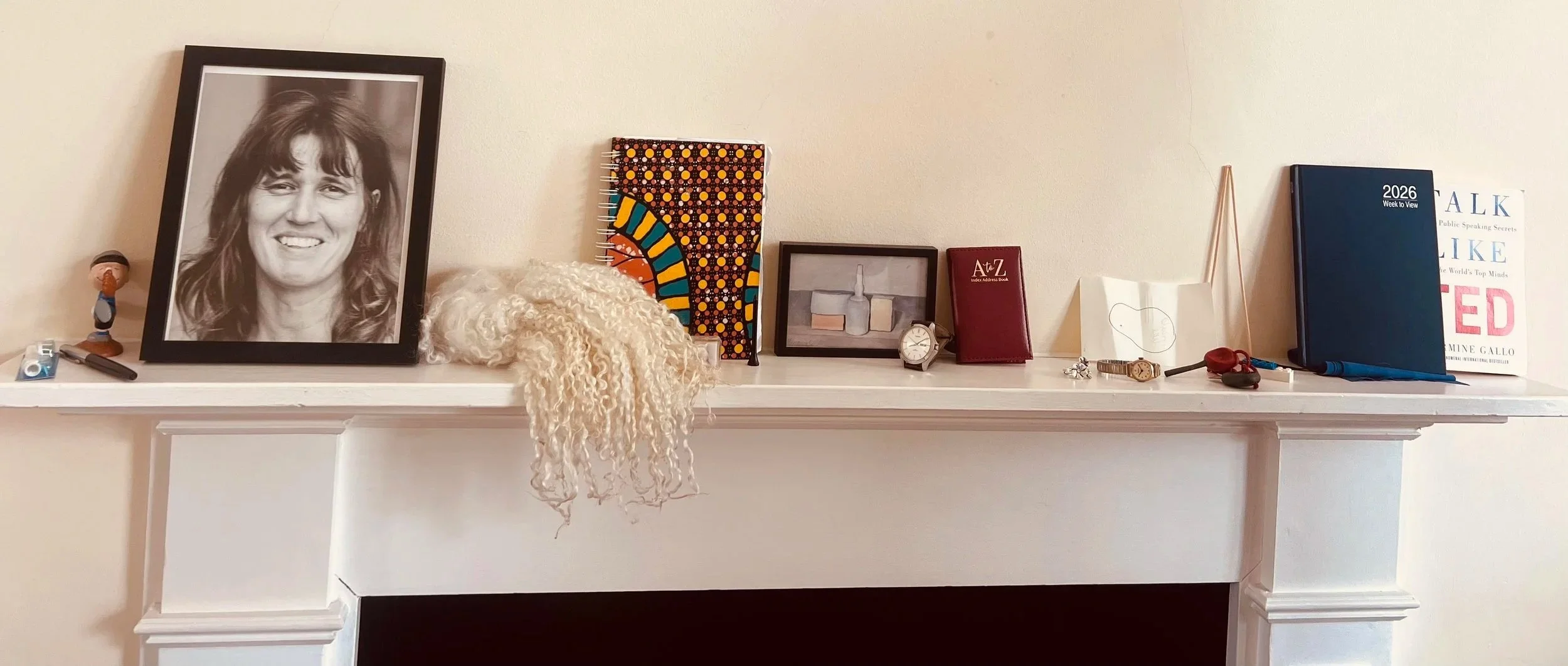
Before arriving we were asked to bring two items — a piece of clothing with personal meaning and an object representing a change we wanted in our work or lives. It was a simple exercise, but it created connection in the room quickly and naturally.
Moving beyond talking
One of the techniques we explored was Image Theatre.
In small groups we created a still image using our bodies to represent the current reality of a challenge. The rest of the group then reflected back what they saw — the emotions, power dynamics and relationships present in the image.
Next we created an image of the what the issue solved might look like, followed by movement representing the transition between the two.
In my group the theme was “boxes.” We explored how people are often placed into categories — female, over 50, brown, and many others — and how those labels can begin to define us, creating barriers and separation.
What struck me most was how quickly the exercise moved us beyond purely intellectual discussion. Instead of analysing the problem, we embodied it.
Using our bodies shifted the experience away from endless conversation and into something far more immediate and revealing.
A difficult conversation rehearsed
Later in the day we worked in groups of six or seven to explore topics that participants wanted to bring.
I suggested something that has been on my mind for some time.
Occasionally I am invited to facilitate work partly because organisations want to demonstrate diversity — perhaps so the audience can connect with the facilitator, or so the facilitation team appears more representative.
On the surface this may seem positive. But sometimes it can feel like being invited as a tick box or token, rather than for the depth of experience and contribution I bring.
In our group we acted out a recent situation and replayed it in different ways. Experiencing the scenario physically rather than just discussing it was unexpectedly powerful. I could feel the anxiety and tension in the situation — something that can easily be hidden when conversations remain purely intellectual.
The exercise helped me realise something important. If I feel uncomfortable with a dynamic like this, I need to name it and have the conversation with the people who hire me.
Even if that means risking losing the work. Because if I stay silent, I may also be colluding with the very dynamic that makes me uncomfortable.
The leadership lesson
Theatre of the Oppressed is often described as a “rehearsal for revolution.”
But sometimes the revolution is quieter. Sometimes it is the courage to rehearse a different way of showing up. Diversity in organisations is often framed as a question of representation.
But the deeper question is this:
Are people invited because of what they visibly represent, or because of the depth of perspective and experience they bring?
For me, the real learning from the day was not just about a new facilitation technique. It was about practising the courage to speak honestly about the systems we are part of — and refusing to quietly play roles that no longer feel authentic.